




There’s something truly special about the moment a child sits down with paper, markers and colours. The quiet gradually settles in. A little hand carefully guides a marker across the page, and they slip into drawing mode. Suddenly, something takes shape – a drawing, an idea, a little world they can lose themselves in for hours.
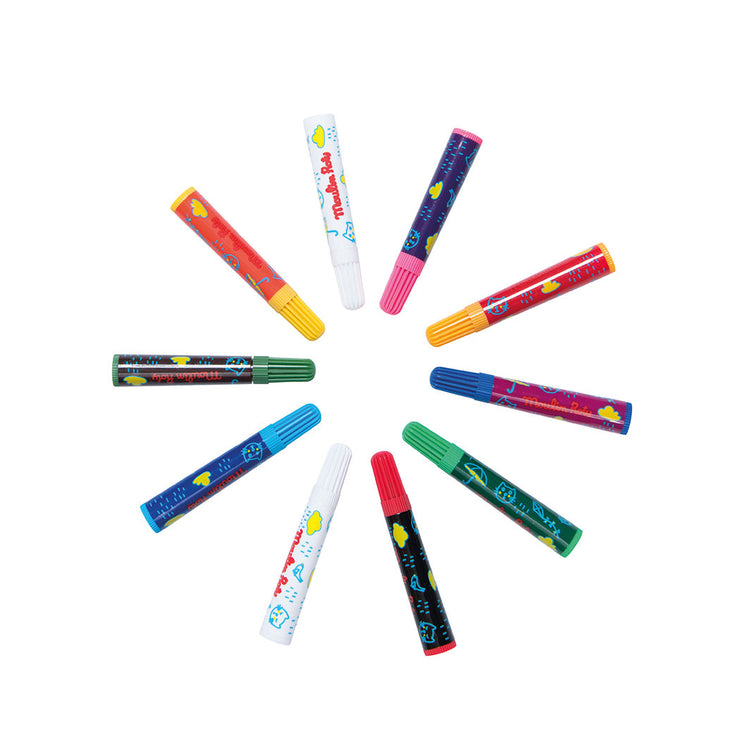
I personally love watching how their mouth moves along with the marks on the page, and how you sometimes have to reach out and touch them to get their attention. It’s the ultimate way to get absorbed in something, and all sorts of funny, silly and exciting things happen on the page. They’re creating something!
Drawing and colouring in books offer a little breathing space where imagination can flourish. They may also be one of the loveliest ways to give our children a moment of calm and focus in a day that can otherwise be full of hustle and bustle.
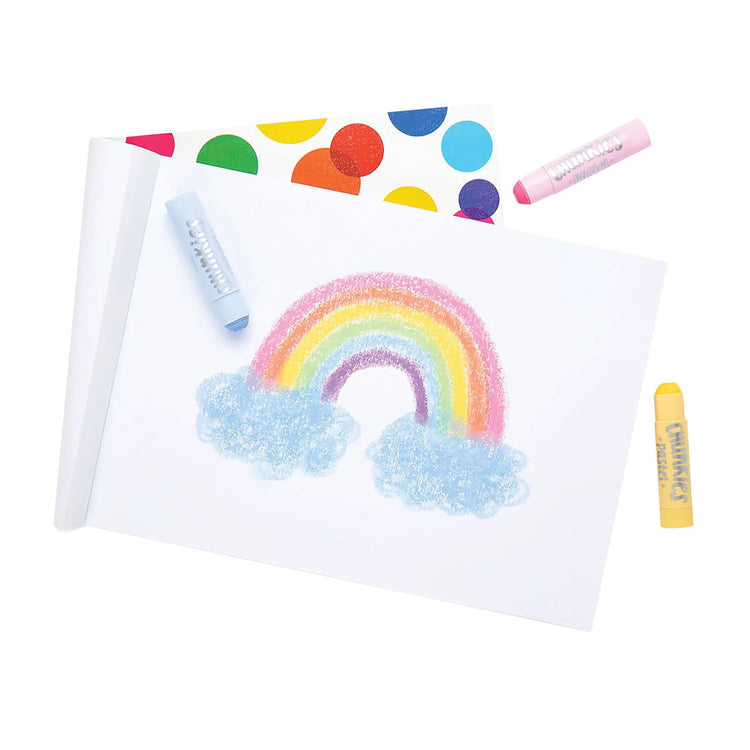
When everyday life calls for calm (and screen-free time)
Many parents know the feeling: after a long day, you just need something that helps everyone unwind. Something that isn’t noisy or demanding – it just is.
That’s where drawing and colouring books are a gift.
I see it at home, too – how a box of markers or coloured pencils can help even the most restless afternoon settle down. There’s no pressure to perform. No rules. Just paper and imagination.
It’s in these moments that children get the chance to focus and find their own rhythm.
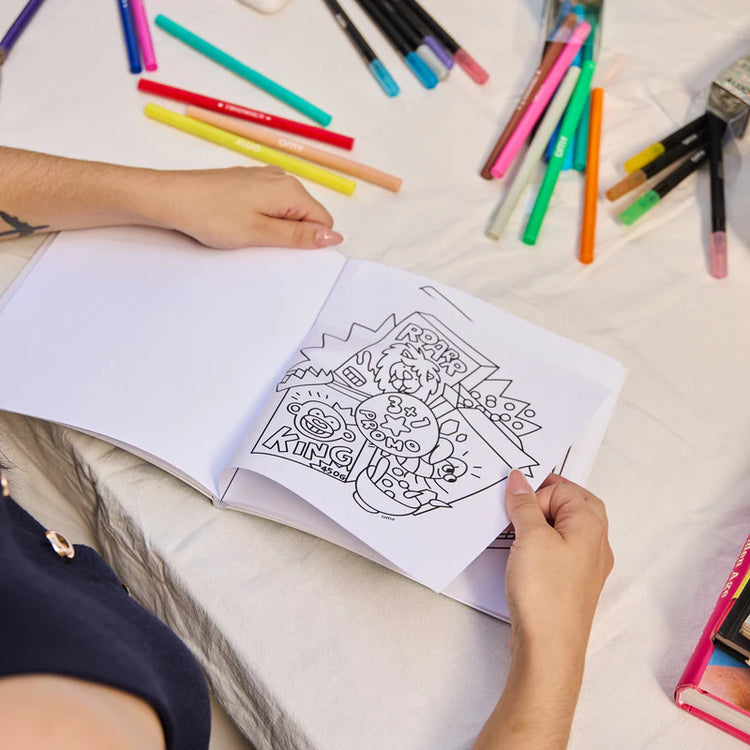
Why drawing and colouring matter for children
When children draw and colour, more is happening than meets the eye:
- Fine motor skills are strengthened as they hold and control coloured pencils and markers
- Concentration and patience develop
- Imagination can run free
- Feelings and thoughts find a way to be expressed
And perhaps most importantly, children experience the joy of creating something themselves.
A line becomes a figure. A colour creates a mood, and with every drawing, their confidence and creative skills gradually grow.
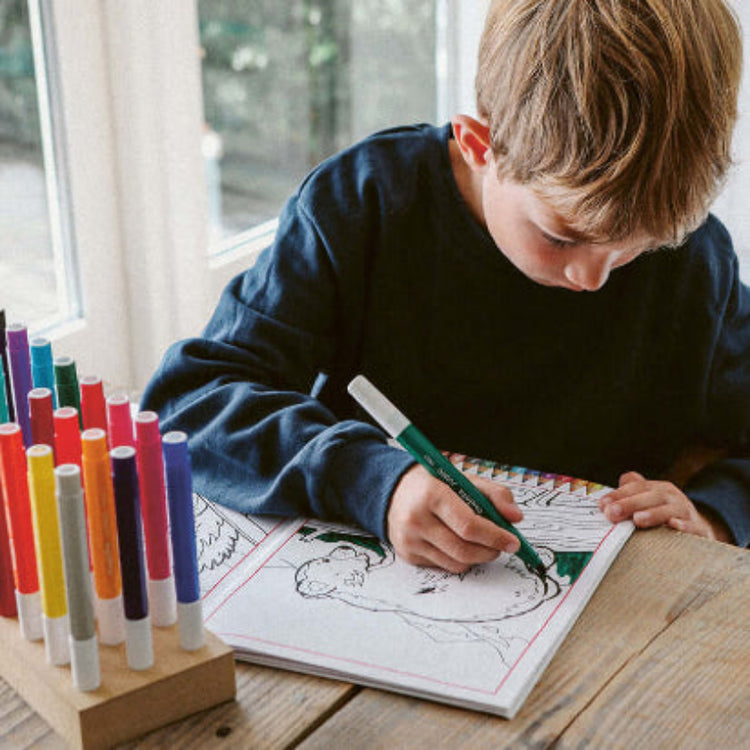
Markers for children – easy to use, colourful and suitable for all ages
Markers are often the first choice when children start drawing – and for good reason.
They’re easy to use, don’t require much pressure and produce bright, beautiful colours straight away. That’s a big advantage for younger children: they can draw without having to use too much force, giving them a great first experience.
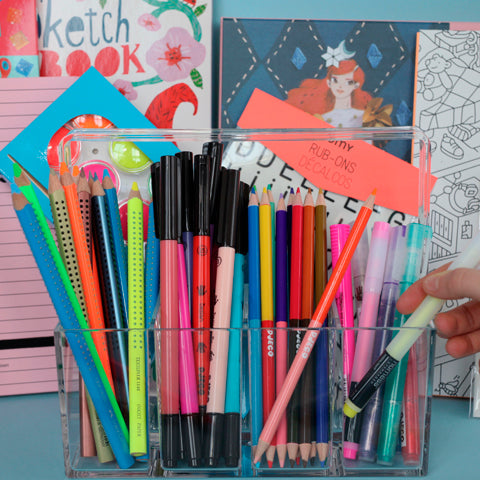
At Lirum Larum Leg, we have a wide selection of markers for children of all ages – from the first ergonomic markers for little hands to more advanced options for older children who want to draw details and work more precisely. For an extra bit of fun, there are also magic markers that change colour.
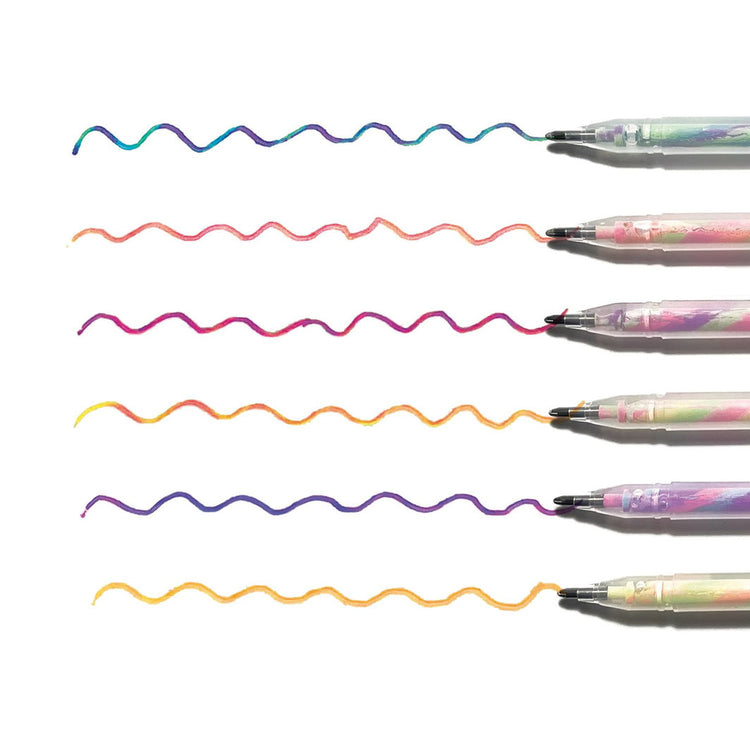
Gel pens for drawing
One of the real highlights in our range is our decorative gel pens. They add a special effect with glitter, metallic finishes or vibrant colours, bringing drawings to life. They’re especially popular with older children who love to focus and work on the details.
Coloured pencils – when your child is ready for more precision
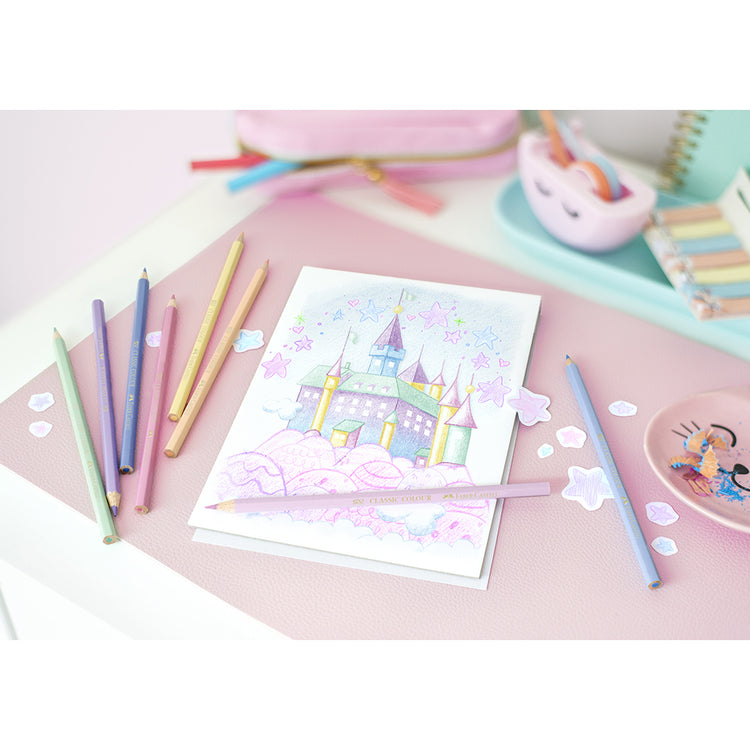
Coloured pencils offer a different kind of drawing experience.
They require a little more control and pressure, making them a great choice as your child gets older and starts spending more time on their drawings.
With coloured pencils, children can:
- work with shading and layers
- create details
- experiment with colour transitions
For many children, coloured pencils are a natural next step after markers – and they often end up using both in their creative play.
Which drawing materials are right for each age?
It can be hard to know what to choose, so here’s a simple guide:
1–3 years
- Thick markers that are easy to grip
- Focus on movement and colours
- No expectations – just play
3–5 years
- Markers in a range of colours
- First coloured pencils
- Colouring books and simple pictures
5+ years
- Coloured pencils for greater precision
- Gel pens and creative sets
- More detailed drawing and focused creativity
The most important thing isn’t choosing “the right thing” – it’s choosing something that invites your child to get started.
Enjoying drawing, painting and colouring
Drawing and colouring can be part of everyday life in many ways:
- As a quiet activity after a day at nursery or school
- As a cosy activity to enjoy with an adult
- As a screen-free break
- As creative play on their own
It’s also a lovely way to spend time together.
A small investment in something special
It really doesn’t take much to create these moments.
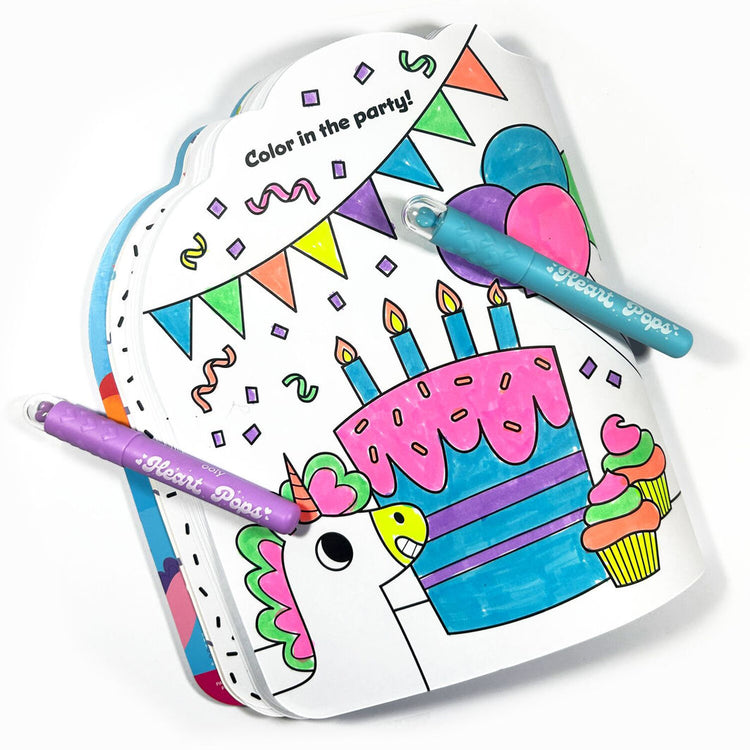
Some paper and a good set of markers. A few coloured pencils. Maybe a colouring book.
In return, you get something your child can enjoy again and again – and that grows with them.
At Lirum Larum Leg, we’ve brought together a selection of drawing materials with quality at its heart, making it easy to find something that inspires and lasts.