




With expert input from family counsellor Maria Baad.
The dice rolls across the table. Only one piece left to place, and the excitement is building. But then someone else wins, and in an instant, a cosy game turns into tears, anger or a firm: “I’m never playing again!”
Perhaps that sounds familiar. You brought out a children’s game and looked forward to spending some time together. Now you’re sitting with a disappointed child, wondering whether you should have let them win.
Many parents will recognise the difference between the game time they imagine and what sometimes actually happens. We bring out a game to enjoy some time together. That’s why it can be hard to stay patient when disappointment suddenly takes over and the pleasure of being together fades into the background.
So what should you do? Let your child win next time? Stick to the rules? Or put the game away?
When children find it hard to lose, we can help by acknowledging their disappointment, setting calm boundaries and adapting the game to suit their abilities. We don’t have to change the result to show that we understand.
Games are a lovely way to gather indoors with family and friends, especially during the darker months. But how can we make room for both a cosy time together and big feelings? We asked family counsellor Maria Baad.
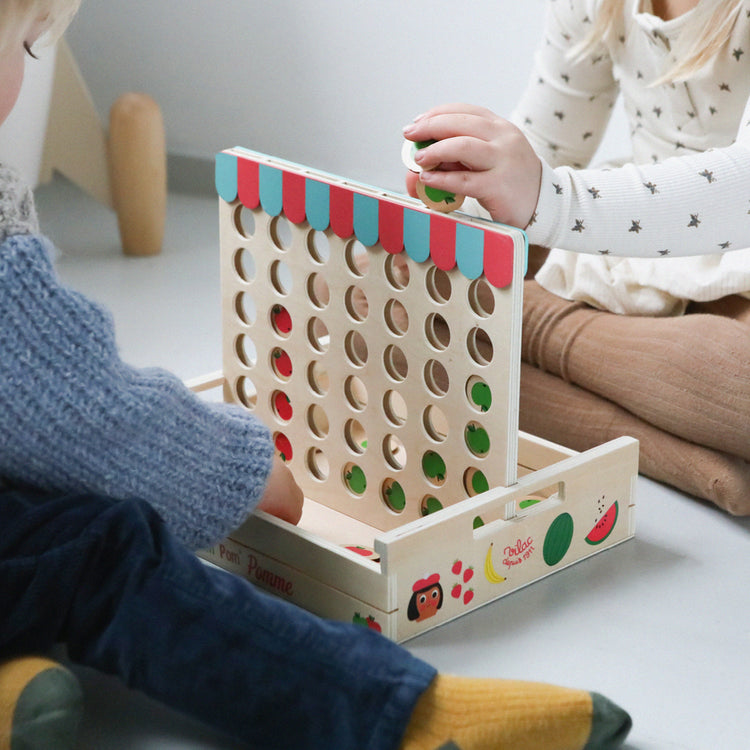
Why is it so hard for children to lose?
For us adults, it might just be a memory game. For a child, it can feel like a major defeat.
They were just about to win. They had a plan. They were sure they’d come out on top. And now everything has turned out differently.

She points to a distinction I think is worth remembering:
It’s a helpful reminder for us adults. When a child can count the spaces and remember the rules, we can easily expect them to handle everything else, too.
But when the pieces are pushed away or the rules suddenly need to change, Maria encourages us to look beyond the reaction. There may be disappointment, frustration or a feeling of not being good enough behind it.
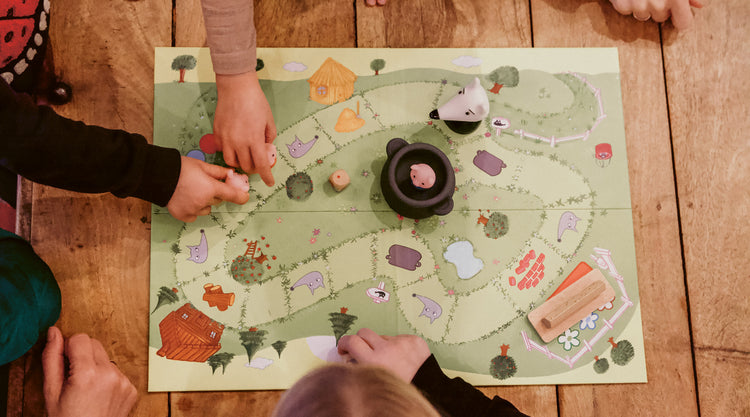
“It’s just a game” rarely helps
I can understand the temptation to say, “You need to learn how to lose.” Especially when you want to move on and get back to enjoying yourselves.
But children rarely need to be told that the experience shouldn’t matter so much. As Maria says:
“For us adults, it may just be a game, but in that moment it can feel very important to a child.”
So try putting the feeling into words instead of trying to talk it away. Maria suggests saying:
It may seem like a small thing to say. But it shows your child that you understand what was difficult, without needing to change the result.
Also avoid labelling your child a “bad loser”. It’s more helpful to talk about their disappointment in that particular situation.
Feelings are welcome – but the pieces stay on the table
Understanding your child doesn’t mean the other players have to put up with being hit, or that pieces can fly across the room.
We can acknowledge a feeling and set a clear boundary at the same time. Maria offers this example:
When emotions are running high, she recommends keeping explanations to a minimum. Children often need us to stay calm and be there with them more than they need a long talk about rules and good behaviour.
Leave the game for a little while. Once things have calmed down, you can talk about what felt difficult and whether you’d like to carry on.
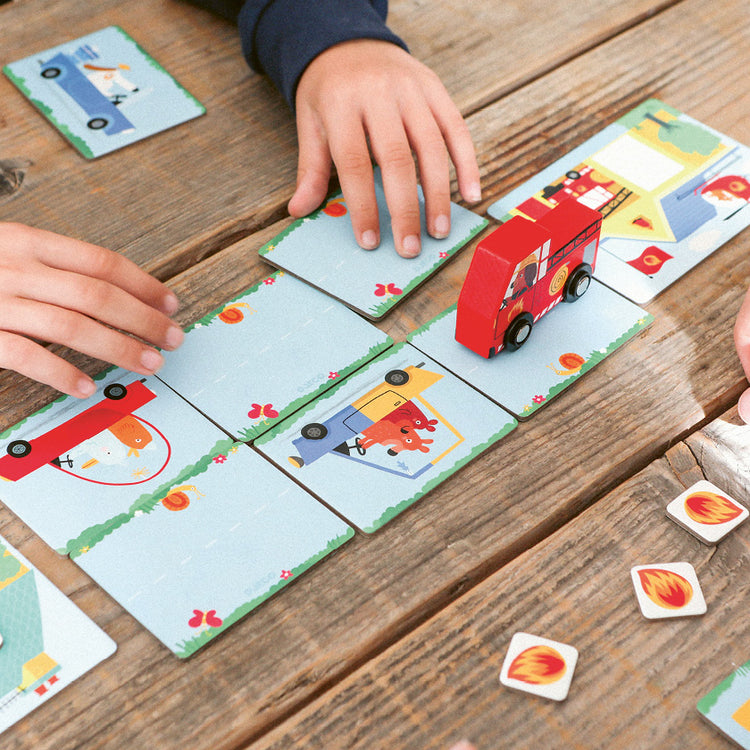
Winning can be hard, too
And then there’s the other side of the game table.
Your child wins, throws their arms in the air and bubbles over with joy. There should be room for that. But what do we do when the celebration turns into “You’re just bad at this!” or repeated reminders about who lost?
It’s a good idea to help children with both sides of the game: coping with disappointment and showing their happiness while being considerate of others.
It’s okay to step in when a child gloats or puts others down. Keep it brief and calm, and focus on what the child is saying or doing. You could say:
The person who loses may feel sad or angry, or not want to play again, if the winner rubs it in. Help both children if you can: set a boundary around teasing and acknowledge the other child’s disappointment. The child who loses doesn’t have to be ready to congratulate the winner straight away.
We adults can also lead by example: celebrate without putting others down, and say thanks for the game, whatever the result. Being a good winner includes showing consideration for those who lose.
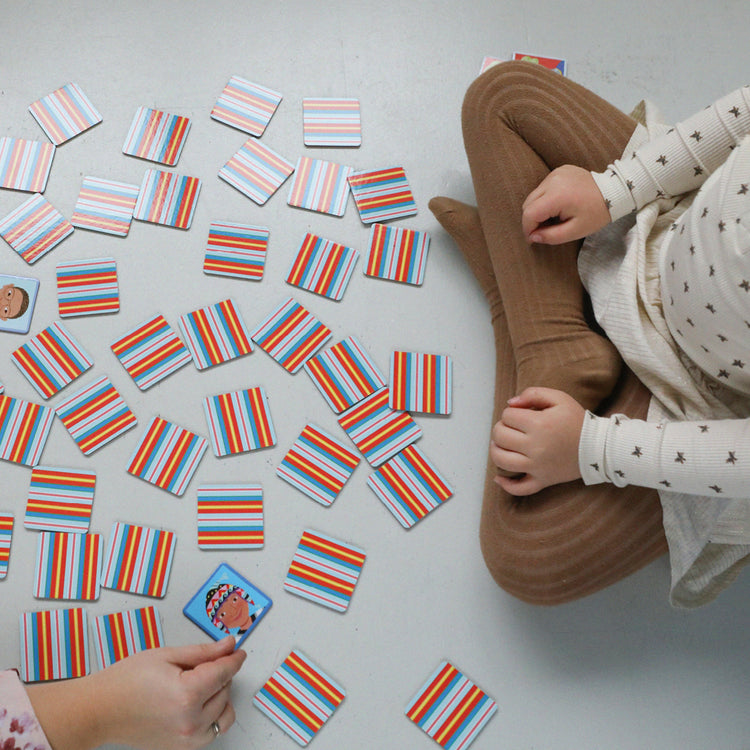
Five ways to make game time more enjoyable
We can’t plan our way around every big feeling. But by following Maria’s advice, we can give game time a good start.
Should you let your child win?
It’s hard to avoid this question, especially if you can already tell that another loss will be difficult.
Maria’s answer leaves room for nuance:
“I don’t think there needs to be a hard-and-fast rule that you must always or never let a child win.”
She recommends adapting the game to the child’s age and abilities, so they have a genuine chance to take part.
But if we make sure they win every time to avoid a reaction, they have fewer chances to discover that they can get through disappointment with our help.
It’s a thought I find helpful as a parent:
I don’t have to make sure my child never feels disappointed. I can help them when disappointment comes.
Games for children by age – what can you choose?
At Lirum Larum Leg, you’ll find games for children of different ages, from their first simple games to card games and family games for older children.
Here are three different options. The age ranges follow the manufacturers’ recommendations. Choose based on your child’s interests and experience with games, too, and always follow the game’s minimum age and safety information.
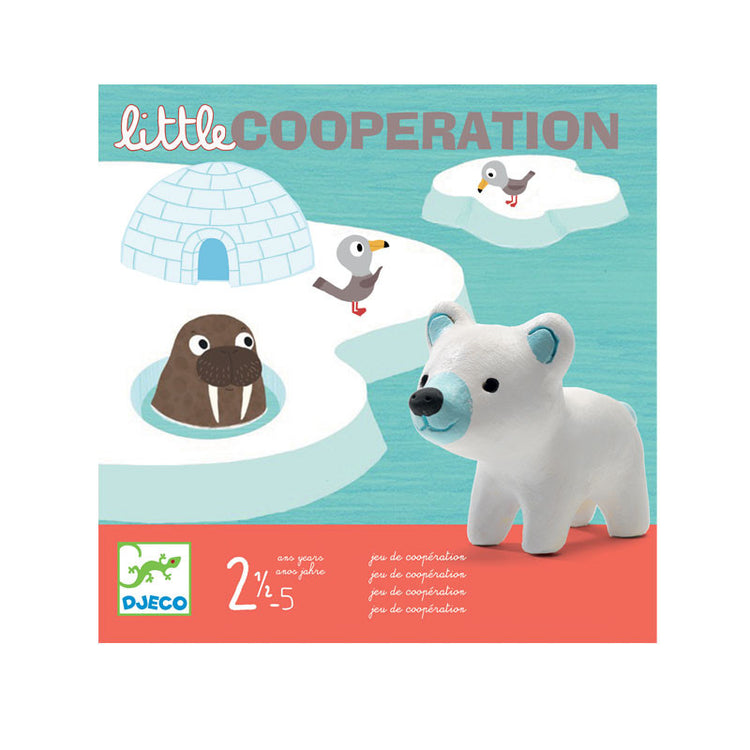
For the youngest players: Polar venner by Djeco, ages 2½–5
In Polar venner, players help the animals cross the ice bridge and get home to the igloo. You win or lose together.
The game is designed for 2–4 players and takes around ten minutes. It’s a good option when you’re looking for a short game with a shared goal. Your child can experience the excitement of the outcome with the adult on the same team.
Find more inspiration among your child’s first games.
From age 5: DouZanimo by Djeco
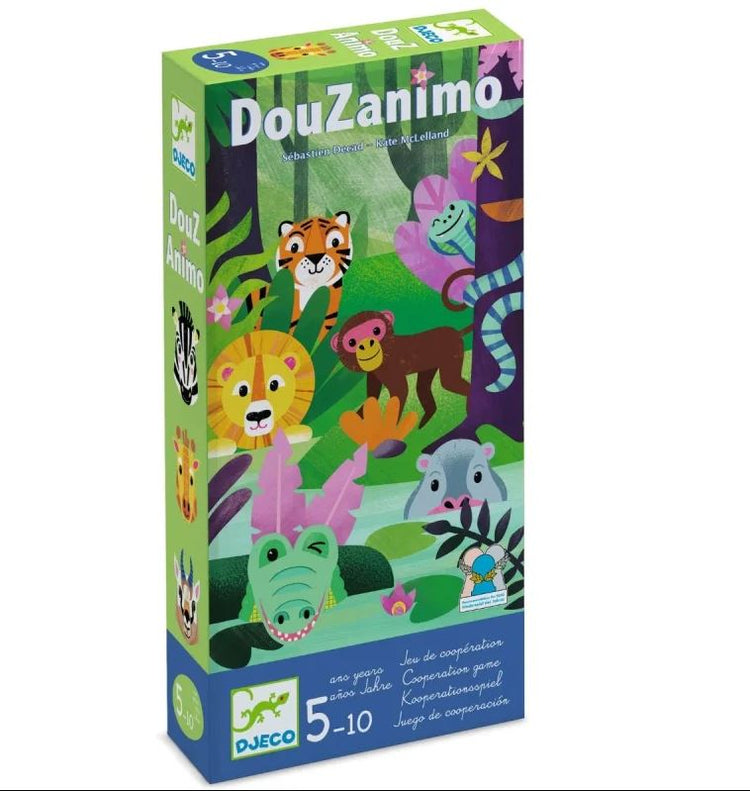
In DouZanimo, players help each other find and assemble the animals’ parts. This memory and co-operative game is for 2–4 players and takes around 15 minutes.
You can talk about what each of you remembers and suggest the next move. Give your child room to contribute, so the adult doesn’t end up solving the whole task.
From age 7: UNO
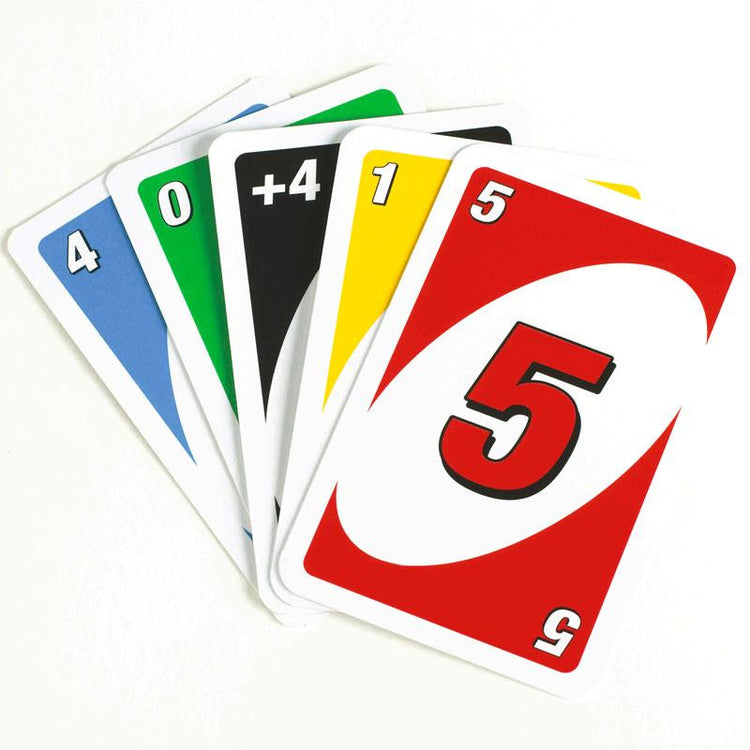
In UNO, the aim is to get rid of your cards by matching colours and numbers, among other things. The game is for ages 7 and up and can be played by 2–10 players.
Here, you compete against each other, and things can change as you play. It may suit children and adults who enjoy that kind of excitement. If losing feels difficult right now, you can alternate with a cooperative game.
Also explore our family games for children and adults when you want several generations to join in.
The game suggestions were selected by Lirum Larum Leg. Maria Baad’s contribution focuses on children, emotions and what happens as they play together.
When we adults run out of patience, too
It’s easy enough to read about staying calm. It can be harder when you’re right in the middle of the situation.
On days when you have less energy, a simple game and a short round can be a good place to start. Find inspiration among our family games for children and adults.
Maria encourages us to notice our own reactions. Are we getting irritated? Do we feel like ending the game? Or do we rush to make our child happy again by changing the rules?
If we speak too harshly, we can come back and take responsibility. Maria suggests saying:
I find that reminder reassuring. We adults don’t have to handle every game perfectly, either. We can practise and reconnect after things have gone wrong.
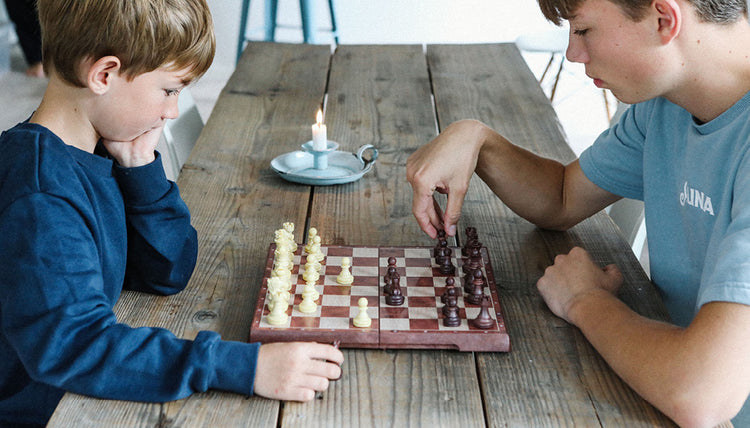
Win and lose gracefully – at your child’s pace
There’s room for celebrating a win and feeling disappointed about a loss. We can help children by putting their feelings into words and showing them how to make room for the other people around the table, too.
As Maria puts it:
I’ll remember that next time we bring out a game. I hope for laughter and a cosy time together. And if disappointment shows up, too, we can help our child through it.
A good game doesn’t have to be free of big feelings. What matters most is that we can reconnect – even after a frustrated sigh and a break.
Next time you gather around a game, you could start with a short round and make room for both celebration and disappointment. Perhaps the best reward of all is simply wanting to try again together.
Feeling like playing a game together? Browse our full range of games for children and families and find one that suits your ages, interests and the time you’d like to spend together.