




When your child turns one, they enter a wonderful stage filled with curiosity, movement and cognitive leaps. Between the ages of 1 and 3, children don’t just learn to walk and talk—they develop fine motor skills, begin to understand cause and effect, and discover the world through their senses and experimentation. So much is happening, which is why it’s important to choose toys that support your child’s natural development through play.
At Lirum Larum Leg, we’ve carefully selected toys for children aged 1–3 that stimulate, motivate and bring joy. Here are our top recommendations, grouped by the key areas of learning for children aged 1, 2 and 3.
Blocks and construction toys
At this age, children start putting things together. They love building and stacking blocks, then watching them tumble—and it’s actually one of the most valuable things they can do! It strengthens fine motor skills, concentration and spatial awareness. In our range, you’ll find a wide variety of stacking blocks in colourful designs that children can stack and put together again and again. They offer hours of entertainment for one-year-olds and older children. With their beautiful illustrations, they’re lovely to look at, and children can nest them inside one another to explore spatial relationships. They can also stack them to learn about height and shape, then knock them down again and again for even more fun.
Explore our selection of stacking blocks from Djeco and Sebra.
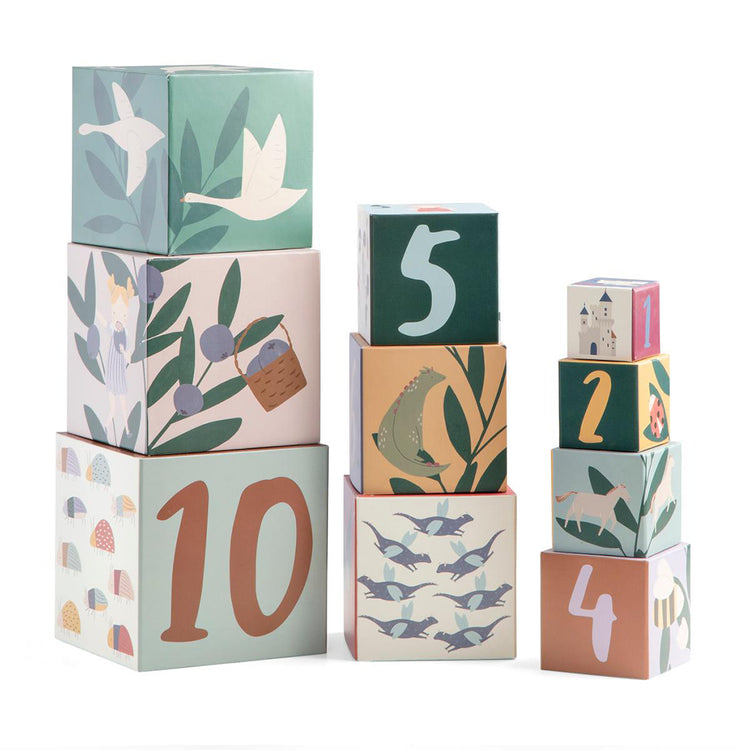
Or explore other toy blocks for children aged 1–3.
Building blocks are among the most versatile toys for supporting young children’s development. Through play, children learn to stack, sort, build and knock things down, strengthening their fine motor skills, hand-eye coordination and spatial awareness. At Lirum Larum Leg, you’ll find a carefully selected range of wooden blocks, stacking blocks, foam blocks and creative construction sets for children aged 1 and up. In beautiful colours and natural materials, these blocks invite hours of imaginative play.
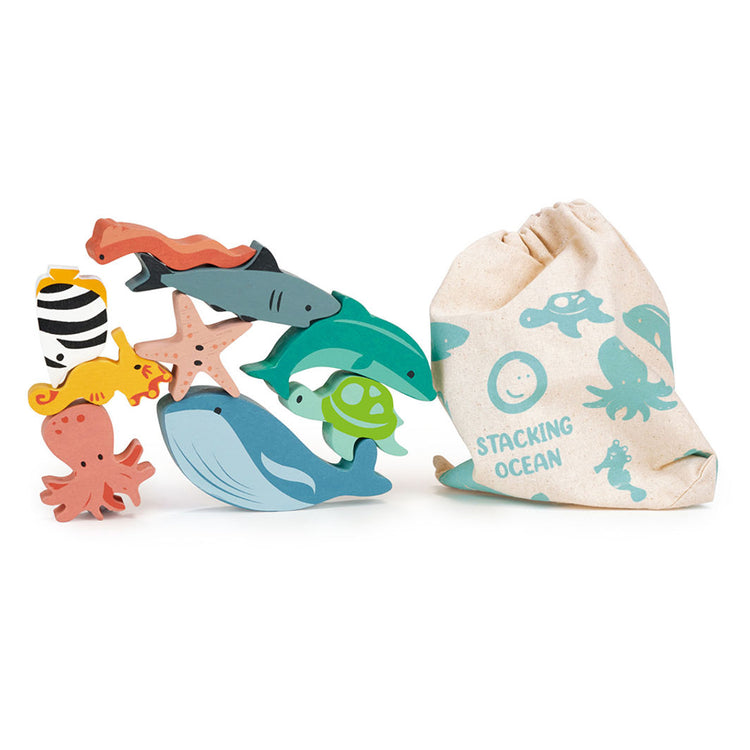
Active play and learning – hammer-and-peg benches, activity boards and shape sorters
As children get a little older, their curiosity finds expression through their hands—and activity toys with clear effects and functions are a hit. It’s all about discovering what happens when I do something—and that’s incredibly stimulating.
We recommend:
-
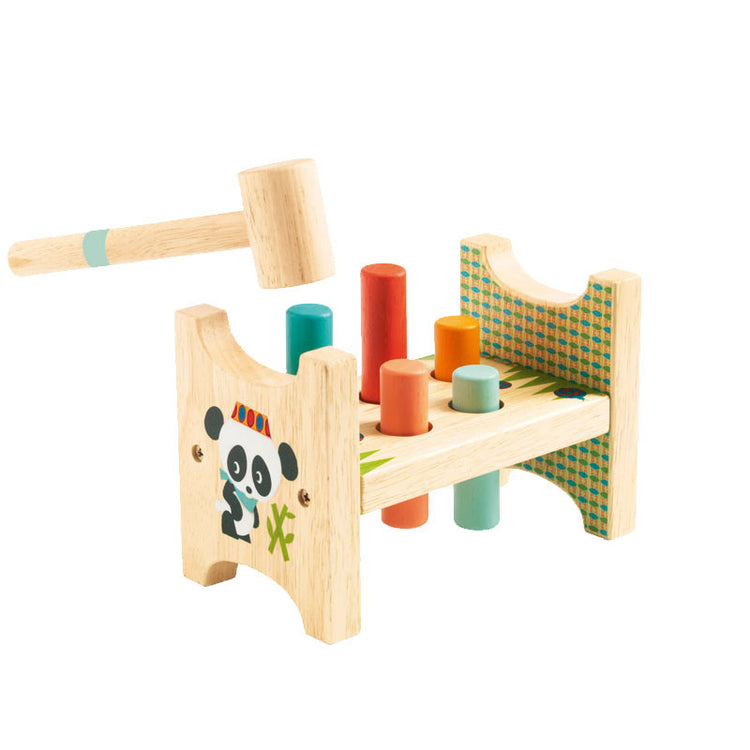
Hammer-and-peg bench – help your child learn to tap, press and hammer. It’s a great introduction to force and control.
-
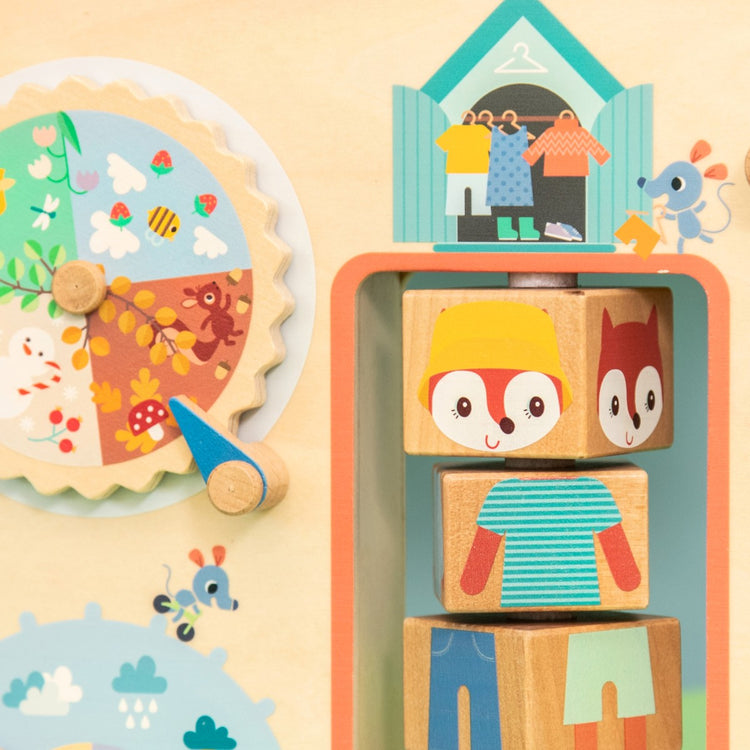
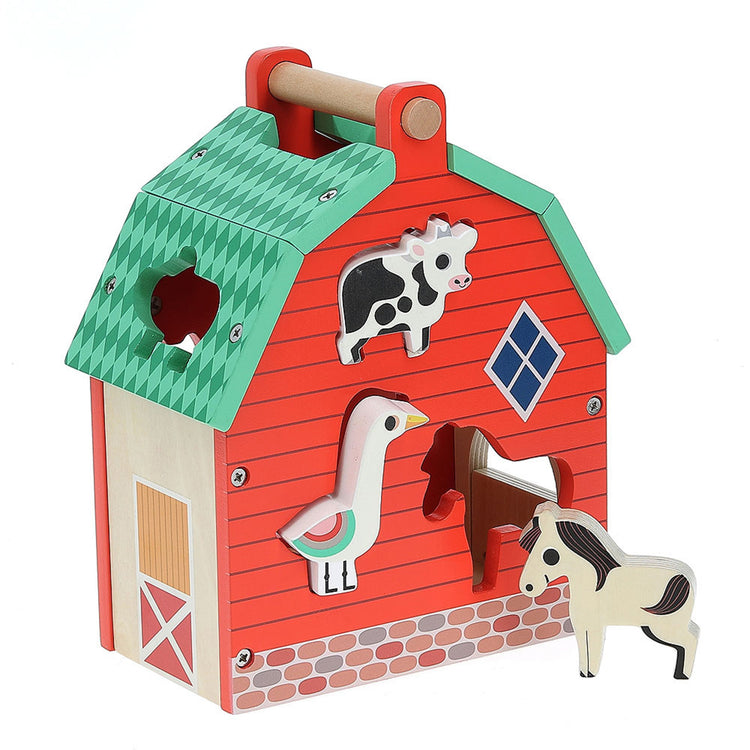
Activity boards – choose a theme such as a farm, a town or nature. Children can press, turn and explore the different features.
-
-
Peg puzzles and shape sorters – ideal for practising shape recognition and hand-eye coordination.
-
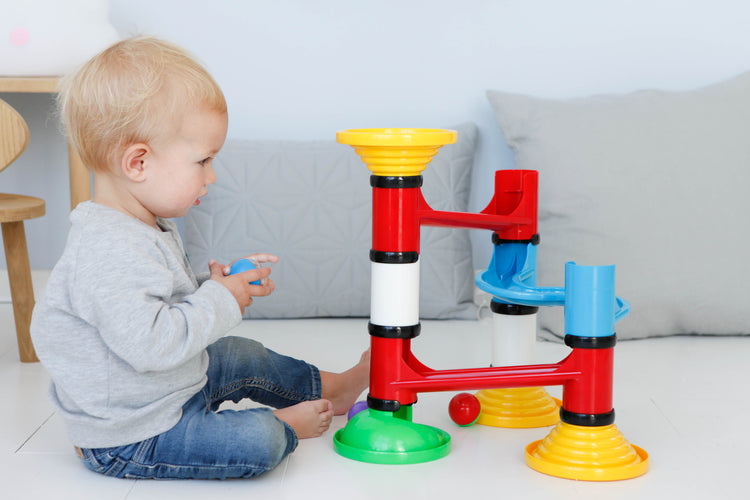
Ball runs – explore movement and logic: “Where does the ball go?” “What happens when I let it go?”
Toys that make sounds – sensory play and cause-and-effect experiments
Sound and music are wonderful stimuli for young children. When they press or shake something, or push a button and hear a sound, it helps them understand cause and effect while bringing them lots of sensory enjoyment. If your child is especially interested in exploring sounds and movement, try:
-
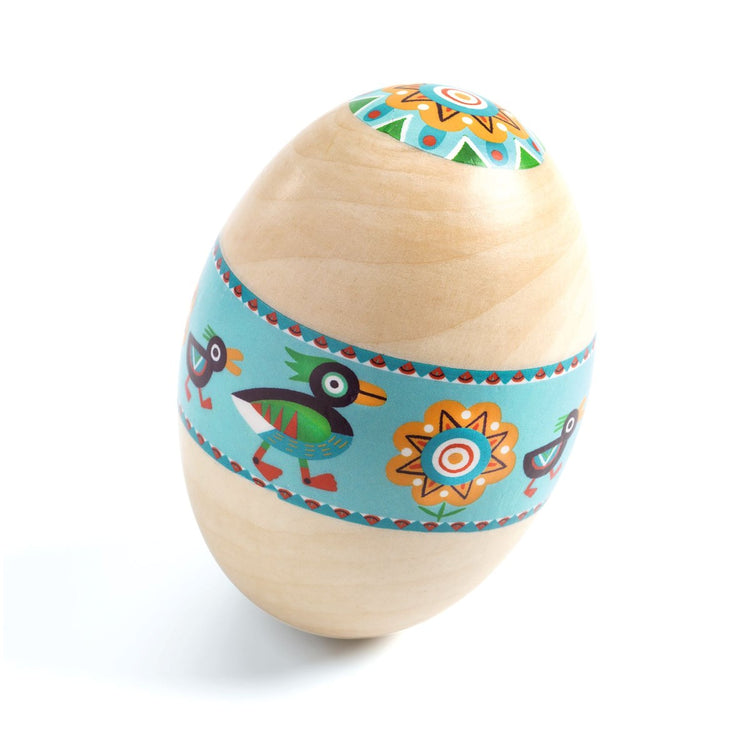
Shaker eggs – a simple, classic musical instrument that even the youngest children can handle.
-
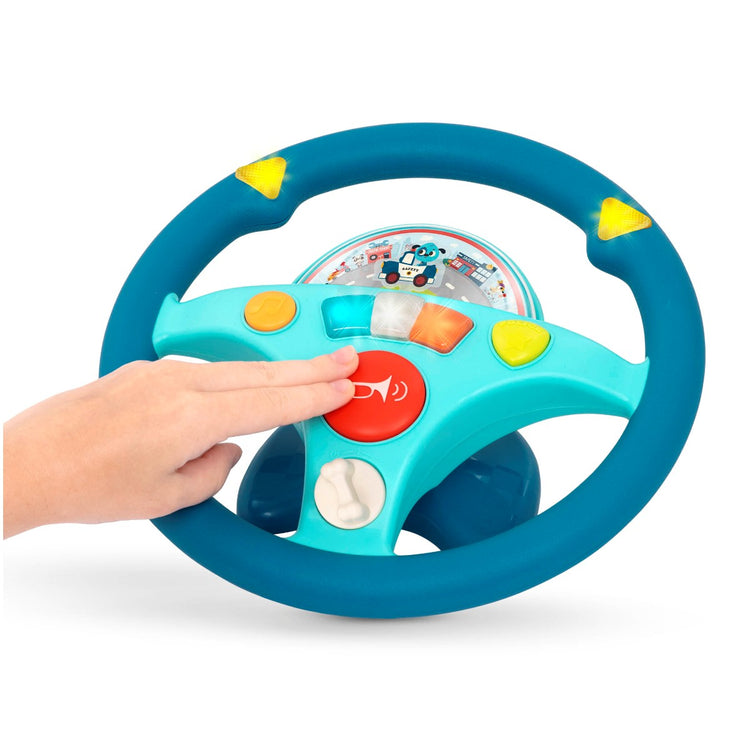
Toy steering wheel with buttons – encourages role play and introduces children to different sounds. Recommended from age 2.
-
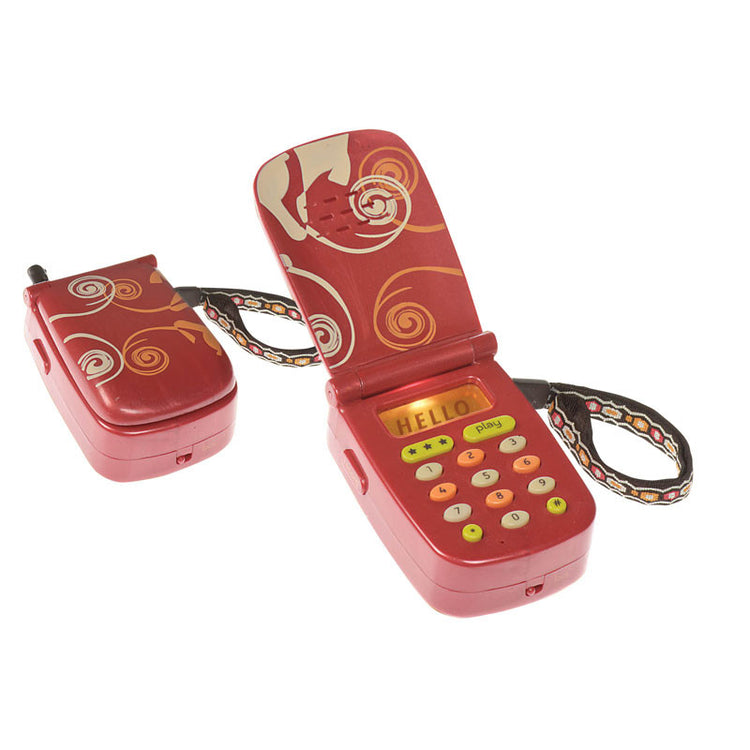
Toy phone – a wonderful mix of play, conversation and imagination.

Get moving – motor skills and body awareness
Children aged 1–3 need to move, crawl, jump and roll. They’re constantly learning to feel their bodies, find their balance and discover what they can do. Toys that encourage movement are worth their weight in gold. We recommend:
-
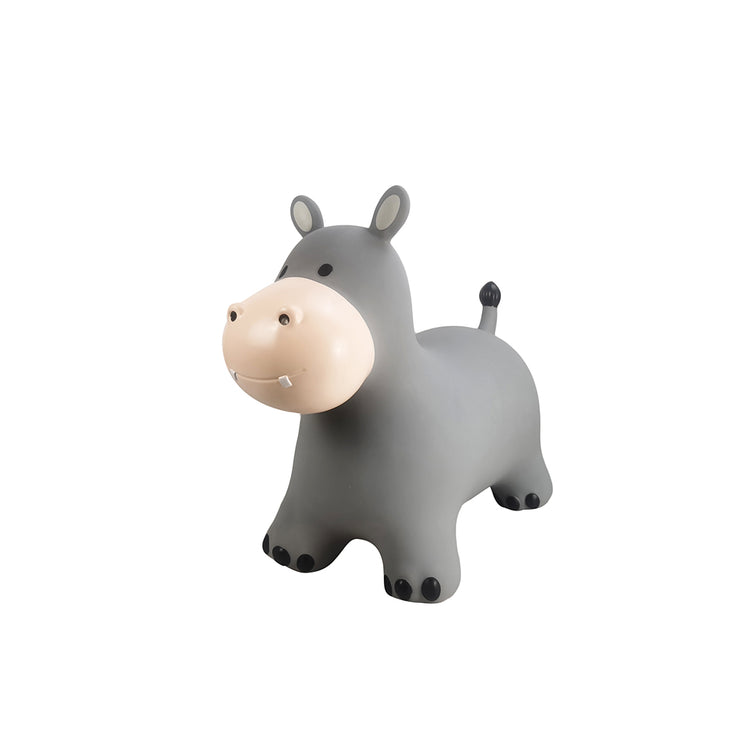
Ride-on hopper toys – help develop balance and coordination.
-
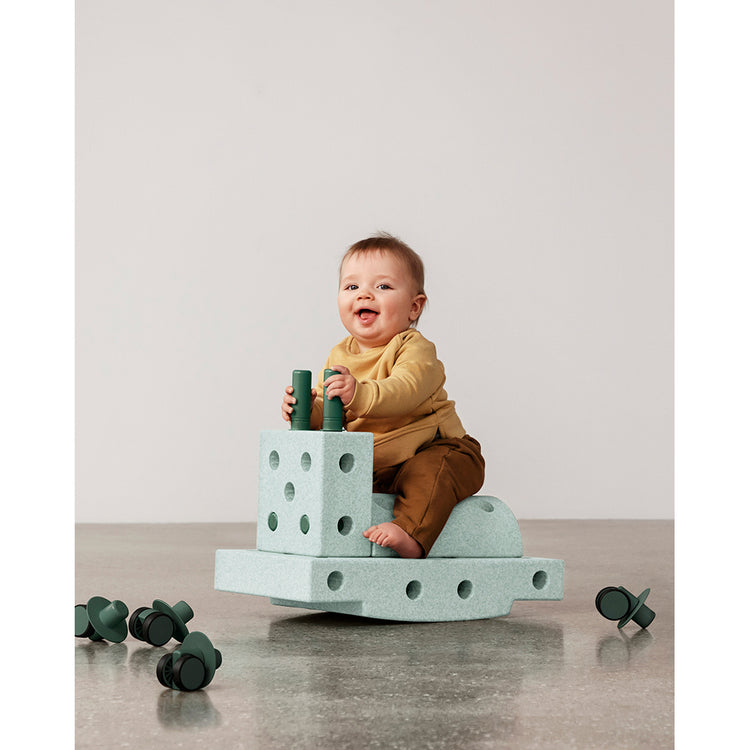
Rocking horses – a classic toy with a soothing rhythm.
-
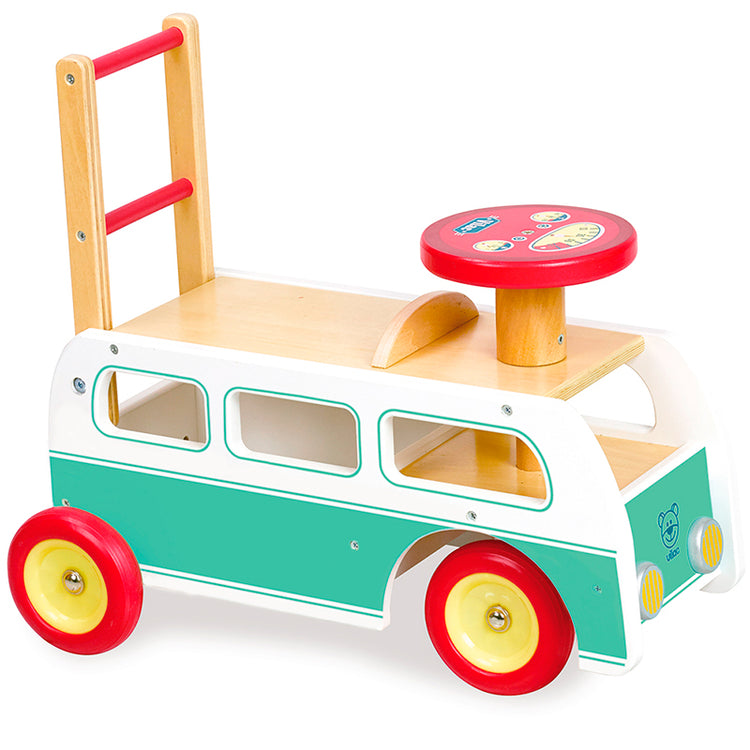
Push-along walkers and wagons – great for those first steps and for support while learning to walk.
-
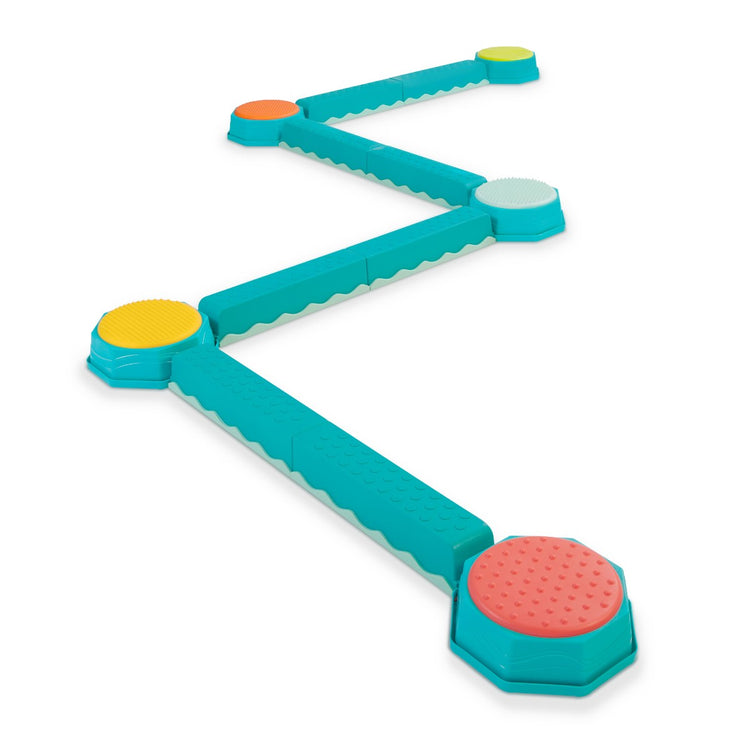
Balance beam – a wonderful way to practise balance, courage and body awareness through play.
Learn about numbers, colours and letters – recognition through everyday play
It’s never too early to introduce your child to numbers, letters and colours through play. It’s not about learning everything at once, but about building familiarity and helping your child feel comfortable with learning before starting preschool or school. We have plenty of educational products for children aged 1–3, and especially recommend:
-
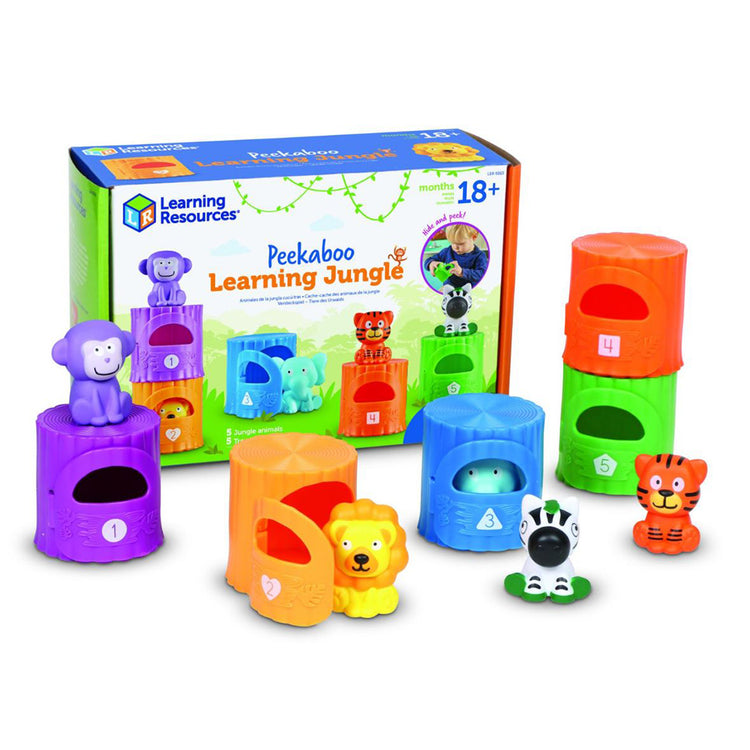
Lær om tal og farver – aktivitetssæt med junglens dyr
An educational play set where children match colours, numbers and animals. It helps develop an understanding of concepts and build vocabulary. Recommended for children aged 18 months and up.
-
Explore alternatives to Sebra wooden blocks – Number Blocks
Beautiful blocks featuring numbers, pictures and symbols—perfect for learning through play or decorating a room. Recommended from birth, or once your child has learned to grasp and hold objects.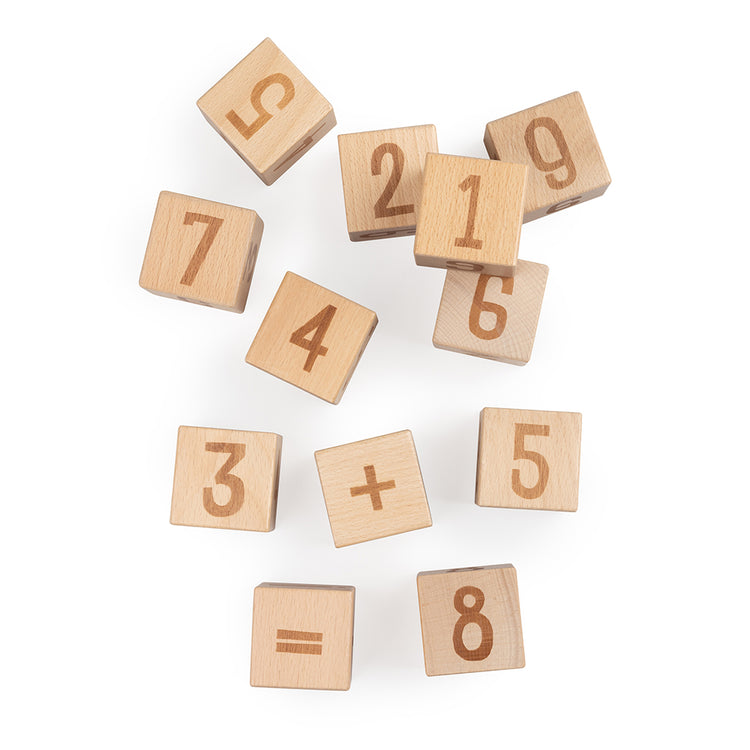
-
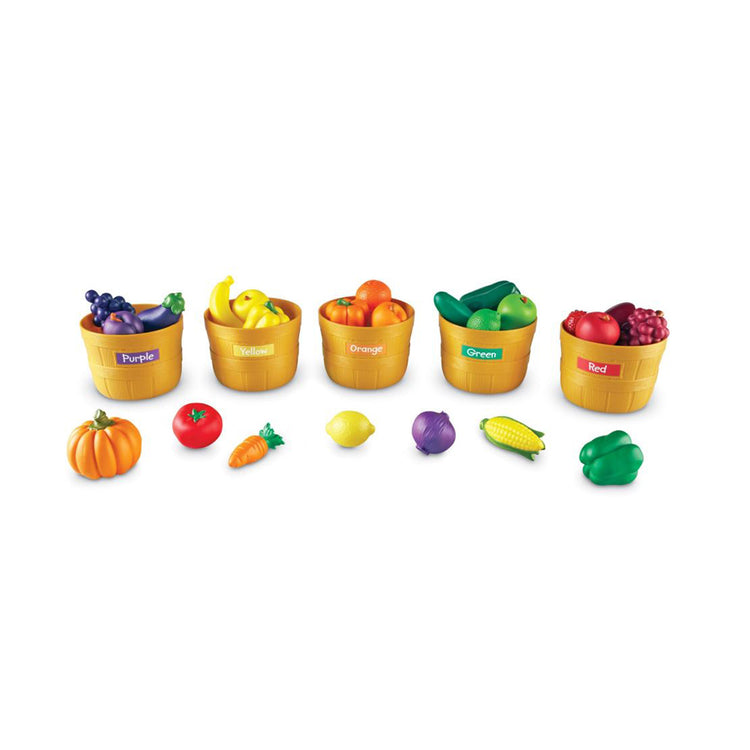
Learning Resources sorting set – fruit and vegetables
Helps children sort by colour and shape, developing logical thinking and vocabulary. Recommended from age 3.
Meaningful toys for children aged 1–3
Children aged 1–3 learn best through play—and this is the stage when the foundations for motor skills, language and social skills are laid. With the right toys, you can support your child’s curiosity and eagerness to learn.
Looking for a gift for a child aged 1–3?
Be sure to visit our gift guide, where you’ll find our top recommendations for children at different ages. It makes it easy to find the perfect gift for a birthday, Christmas or any other occasion.
Children at this age are truly special. They’re curious, sweet, funny and busy discovering life for the very first time. As a parent, you’re in the perfect position to inspire them, support them and play with them—helping shape their development in a safe and nurturing way. And it all starts with play.
Enjoy this special time with your toddler.
Warmest wishes,
Anja and the Lirum Larum Leg team