55 products
-

 Kidyplanet – Gemstone Dig Kit, Mystery PlanetVendor:Kidyplanet – Gemstone Dig Kit, Mystery PlanetKidywolfIn stock
- Regular price
-
€10,95 EUR - Sale price
-
€10,95 EUR - Regular price
-
€13,95 EUR
-

 National Geographic Junior Chemistry Lab KitVendor:National Geographic Junior Chemistry Lab KitNational GeographicIn stock
- Regular price
-
€27,95 EUR - Sale price
-
€27,95 EUR - Regular price
-
€33,95 EUR
-

 National Geographic Earth Science Activity KitVendor:National Geographic Earth Science Activity KitNational GeographicIn stock
- Regular price
-
€28,95 EUR - Sale price
-
€28,95 EUR - Regular price
-
€40,95 EUR
-

 Kosmos Experiment Kit, Technology Set - Chipz – The RobotVendor:Kosmos Experiment Kit, Technology Set - Chipz – The RobotKosmosIn stock
- Regular price
-
€90,95 EUR - Sale price
-
€90,95 EUR - Regular price
-
€0,00 EUR
-

 Kosmos Experiment Set, Chemistry Set - Big Fun ChemistryVendor:Kosmos Experiment Set, Chemistry Set - Big Fun ChemistryKosmosIn stock
- Regular price
-
€70,95 EUR - Sale price
-
€70,95 EUR - Regular price
-
€0,00 EUR
-

 National Geographic, Mega Science Lab Activity KitVendor:National Geographic, Mega Science Lab Activity KitNational GeographicIn stock
- Regular price
-
€64,95 EUR - Sale price
-
€64,95 EUR - Regular price
-
€81,95 EUR
-
 National Geographic, Gecko Dissection - Glow in the DarkVendor:National Geographic, Gecko Dissection - Glow in the DarkNational GeographicIn stock
- Regular price
-
€14,95 EUR - Sale price
-
€14,95 EUR - Regular price
-
€20,95 EUR
-

 4M Experiment Kit, Glow Crystal GrowingVendor:4M Experiment Kit, Glow Crystal Growing4MIn stock
- Regular price
-
€14,95 EUR - Sale price
-
€14,95 EUR - Regular price
-
€17,95 EUR
-

 4M STEM Powered Kids, Recycled PaperVendor:4M STEM Powered Kids, Recycled Paper4MIn stock
- Regular price
-
€24,95 EUR - Sale price
-
€24,95 EUR - Regular price
-
€35,95 EUR
-

 National Geographic, Totally Gross Chemistry SetVendor:National Geographic, Totally Gross Chemistry SetNational GeographicIn stock
- Regular price
-
€37,95 EUR - Sale price
-
€37,95 EUR - Regular price
-
€47,95 EUR
-

 National Geographic, Glow-in-the-Dark Crystal Growing KitVendor:National Geographic, Glow-in-the-Dark Crystal Growing KitNational GeographicIn stock
- Regular price
-
€13,95 EUR - Sale price
-
€13,95 EUR - Regular price
-
€16,95 EUR
-

 National Geographic, Volcano Science KitVendor:National Geographic, Volcano Science KitNational GeographicIn stock
- Regular price
-
€13,95 EUR - Sale price
-
€13,95 EUR - Regular price
-
€16,95 EUR
-

 National Geographic, S. E. Mega Earth Science KitVendor:National Geographic, S. E. Mega Earth Science KitNational GeographicIn stock
- Regular price
-
€37,95 EUR - Sale price
-
€37,95 EUR - Regular price
-
€47,95 EUR
-

 National Geographic Rock and Mineral Starter KitVendor:National Geographic Rock and Mineral Starter KitNational GeographicIn stock
- Regular price
-
€13,95 EUR - Sale price
-
€13,95 EUR - Regular price
-
€16,95 EUR
-

 4M Crystal Growing Experiment KitVendor:4M Crystal Growing Experiment Kit4MIn stock
- Regular price
-
€19,95 EUR - Sale price
-
€19,95 EUR - Regular price
-
€24,95 EUR
-

 Kosmos Experiment Set: Make Bouncy Balls That Look Like PlanetsVendor:Kosmos Experiment Set: Make Bouncy Balls That Look Like PlanetsKosmosIn stock
- Regular price
-
€17,95 EUR - Sale price
-
€17,95 EUR - Regular price
-
€21,95 EUR
-
 Kosmos Experiment Set: Glow in the Dark – T-RexVendor:Kosmos Experiment Set: Glow in the Dark – T-RexKosmosIn stock
- Regular price
-
€21,95 EUR - Sale price
-
€21,95 EUR - Regular price
-
€0,00 EUR
-
 Kosmos Experiment Set, Grow CrystalsVendor:Kosmos Experiment Set, Grow CrystalsKosmosIn stock
- Regular price
-
€21,95 EUR - Sale price
-
€21,95 EUR - Regular price
-
€0,00 EUR
-

 KidzLabs Experiment Kit – 3D Solar System Mobile Construction SetVendor:KidzLabs Experiment Kit – 3D Solar System Mobile Construction Set4MIn stock
- Regular price
-
€24,95 EUR - Sale price
-
€24,95 EUR - Regular price
-
€31,95 EUR
-
 4M Knitting / Easy-to-Do Cross Stitch SetVendor:4M Knitting / Easy-to-Do Cross Stitch Set4MIn stock
- Regular price
-
€14,95 EUR - Sale price
-
€14,95 EUR - Regular price
-
€17,95 EUR
-

 SES Creative, Makeup - Nail SalonVendor:SES Creative, Makeup - Nail SalonSES CreativeIn stock
- Regular price
-
€19,95 EUR - Sale price
-
€19,95 EUR - Regular price
-
€28,95 EUR
-

 SES Creative, DIY Laboratory - Soap Making KitVendor:SES Creative, DIY Laboratory - Soap Making KitSES CreativeIn stock
- Regular price
-
€29,95 EUR - Sale price
-
€29,95 EUR - Regular price
-
€0,00 EUR
-

 SES Creative, DIY Laboratory - Slime KitVendor:SES Creative, DIY Laboratory - Slime KitSES CreativeIn stock
- Regular price
-
€29,95 EUR - Sale price
-
€29,95 EUR - Regular price
-
€0,00 EUR
-

 SES Creative Slim, Unicorn LaboratoryVendor:SES Creative Slim, Unicorn LaboratorySES CreativeIn stock
- Regular price
-
€14,95 EUR - Sale price
-
€14,95 EUR - Regular price
-
€0,00 EUR
-

 SES Creative Slim, Mix it ManiaVendor:SES Creative Slim, Mix it ManiaSES CreativeIn stock
- Regular price
-
€37,95 EUR - Sale price
-
€37,95 EUR - Regular price
-
€0,00 EUR
-
 SES Creative Slim, Laboratory - MixVendor:SES Creative Slim, Laboratory - MixSES CreativeIn stock
- Regular price
-
€17,95 EUR - Sale price
-
€17,95 EUR - Regular price
-
€0,00 EUR
-

 SES Creative, Slim - Glow-in-the-Dark LaboratoryVendor:SES Creative, Slim - Glow-in-the-Dark LaboratorySES CreativeIn stock
- Regular price
-
€17,95 EUR - Sale price
-
€17,95 EUR - Regular price
-
€0,00 EUR
-

 4M Steam Powered Kids / Unicorn ScienceVendor:4M Steam Powered Kids / Unicorn Science4MIn stock
- Regular price
-
€28,95 EUR - Sale price
-
€28,95 EUR - Regular price
-
€35,95 EUR
-

 SES Creative Real Geodes, Crystal CavesVendor:SES Creative Real Geodes, Crystal CavesSES CreativeIn stock
- Regular price
-
€18,95 EUR - Sale price
-
€18,95 EUR - Regular price
-
€0,00 EUR
-

 4M STEAM Space Exploration Kit for KidsVendor:4M STEAM Space Exploration Kit for Kids4MIn stock
- Regular price
-
€27,95 EUR - Sale price
-
€27,95 EUR - Regular price
-
€33,95 EUR
-

 4M Steam-Powered Kids/Earth Science KitVendor:4M Steam-Powered Kids/Earth Science Kit4MIn stock
- Regular price
-
€28,95 EUR - Sale price
-
€28,95 EUR - Regular price
-
€35,95 EUR
-

 4M Experiment Kit, Crystal Growing, Magical Unicorn Terrarium – For Ages 10 and UpVendor:4M Experiment Kit, Crystal Growing, Magical Unicorn Terrarium – For Ages 10 and Up4MIn stock
- Regular price
-
€19,95 EUR - Sale price
-
€19,95 EUR - Regular price
-
€24,95 EUR
-
 SES Explore, Glow-in-the-Dark Solar SystemVendor:SES Explore, Glow-in-the-Dark Solar SystemSES CreativeIn stock
- Regular price
-
€24,95 EUR - Sale price
-
€24,95 EUR - Regular price
-
€0,00 EUR
-

 My Design Portfolio Fashion Studio, Experiment SetVendor:My Design Portfolio Fashion Studio, Experiment Set4MIn stock
- Regular price
-
€16,95 EUR - Sale price
-
€16,95 EUR - Regular price
-
€20,95 EUR
-

 STEAM Deluxe Experiment Set - Kitchen ScienceVendor:STEAM Deluxe Experiment Set - Kitchen Science4MIn stock
- Regular price
-
€24,95 EUR - Sale price
-
€24,95 EUR - Regular price
-
€31,95 EUR
-

 SES Creative Hatching Eggs, UnicornVendor:SES Creative Hatching Eggs, UnicornSES CreativeIn stock
- Regular price
-
€20,95 EUR - Sale price
-
€20,95 EUR - Regular price
-
€0,00 EUR
-

 KidzLabs Experiment Set, Geode Crystal Growing, Create Your Own Crystals - Ages 8 and UpVendor:KidzLabs Experiment Set, Geode Crystal Growing, Create Your Own Crystals - Ages 8 and Up4MIn stock
- Regular price
-
€14,95 EUR - Sale price
-
€14,95 EUR - Regular price
-
€20,95 EUR
-

 KidzLabs Experiment Set – TornadoVendor:KidzLabs Experiment Set – Tornado4MIn stock
- Regular price
-
€15,95 EUR - Sale price
-
€15,95 EUR - Regular price
-
€18,95 EUR
-

 Green Science, Creativity Experiment Set - Recycled Paper BeadsVendor:Green Science, Creativity Experiment Set - Recycled Paper Beads4MIn stock
- Regular price
-
€13,95 EUR - Sale price
-
€13,95 EUR - Regular price
-
€16,95 EUR
-
 KidzLabs Experiment Kit - 3D Solar System Mobile Construction SetVendor:KidzLabs Experiment Kit - 3D Solar System Mobile Construction Set4MIn stock
- Regular price
-
€27,95 EUR - Sale price
-
€27,95 EUR - Regular price
-
€33,95 EUR
-

 KidzLabs Experiment Set - Crystal MiningVendor:KidzLabs Experiment Set - Crystal Mining4MIn stock
- Regular price
-
€13,95 EUR - Sale price
-
€13,95 EUR - Regular price
-
€16,95 EUR
-

 KidzLabs Experiment Set - Kitchen ScienceVendor:KidzLabs Experiment Set - Kitchen Science4MIn stock
- Regular price
-
€14,95 EUR - Sale price
-
€14,95 EUR - Regular price
-
€17,95 EUR
-

 KidzLabs Experiment Kit - Volcano Assembly SetVendor:KidzLabs Experiment Kit - Volcano Assembly Set4MIn stock
- Regular price
-
€16,95 EUR - Sale price
-
€16,95 EUR - Regular price
-
€20,95 EUR
-

 National Geographic, Metal Detector Starter KitVendor:National Geographic, Metal Detector Starter KitNational GeographicSold out
- Regular price
-
€94,95 EUR - Sale price
-
€94,95 EUR - Regular price
-
€135,95 EUR
-

 Kidyelec Expert – Electric Current and Electricity Experiment Set, 18 PiecesVendor:Kidyelec Expert – Electric Current and Electricity Experiment Set, 18 PiecesKidywolfSold out
- Regular price
-
€43,95 EUR - Sale price
-
€43,95 EUR - Regular price
-
€54,95 EUR
-

 Kidyelec Starter – Electricity and Electric Current Experiment Kit, 11 PiecesVendor:Kidyelec Starter – Electricity and Electric Current Experiment Kit, 11 PiecesKidywolfSold out
- Regular price
-
€30,95 EUR - Sale price
-
€30,95 EUR - Regular price
-
€37,95 EUR
-

 National Geographic, Crystal GardenVendor:National Geographic, Crystal GardenNational GeographicSold out
- Regular price
-
€11,95 EUR - Sale price
-
€11,95 EUR - Regular price
-
€16,95 EUR
-
 Kosmos Experiment Set, Glitter-DiamondsVendor:Kosmos Experiment Set, Glitter-DiamondsKosmosSold out
- Regular price
-
€21,95 EUR - Sale price
-
€21,95 EUR - Regular price
-
€0,00 EUR
-
 KidzLabs Experiment Set - Create Your Own Night Sky KitVendor:KidzLabs Experiment Set - Create Your Own Night Sky Kit4MSold out
- Regular price
-
€13,95 EUR - Sale price
-
€13,95 EUR - Regular price
-
€16,95 EUR
-

 Rex London, Grow Your Own Magic SharkVendor:Rex London, Grow Your Own Magic SharkRex LondonSold out
- Regular price
-
€5,95 EUR - Sale price
-
€5,95 EUR - Regular price
-
€0,00 EUR
-

 4M KidzLabs Experiment Set - Creepy Crawly Digging KitVendor:4M KidzLabs Experiment Set - Creepy Crawly Digging Kit4MSold out
- Regular price
-
€10,95 EUR - Sale price
-
€10,95 EUR - Regular price
-
€13,95 EUR
-

 SES Explore Dino Egg that Grows in WaterVendor:SES Explore Dino Egg that Grows in WaterSES CreativeSold out
- Regular price
-
€18,95 EUR - Sale price
-
€18,95 EUR - Regular price
-
€0,00 EUR
-
 KidzLabs Experiment Set - Pocket VolcanoVendor:KidzLabs Experiment Set - Pocket Volcano4MSold out
- Regular price
-
€5,95 EUR - Sale price
-
€5,95 EUR - Regular price
-
€6,95 EUR
-

 KidzLabs Experiment Set – Crystal ScienceVendor:KidzLabs Experiment Set – Crystal Science4MSold out
- Regular price
-
€21,95 EUR - Sale price
-
€21,95 EUR - Regular price
-
€27,95 EUR
-

 KidzLabs Experimental Set - Solar SystemVendor:KidzLabs Experimental Set - Solar System4MSold out
- Regular price
-
€13,95 EUR - Sale price
-
€13,95 EUR - Regular price
-
€16,95 EUR


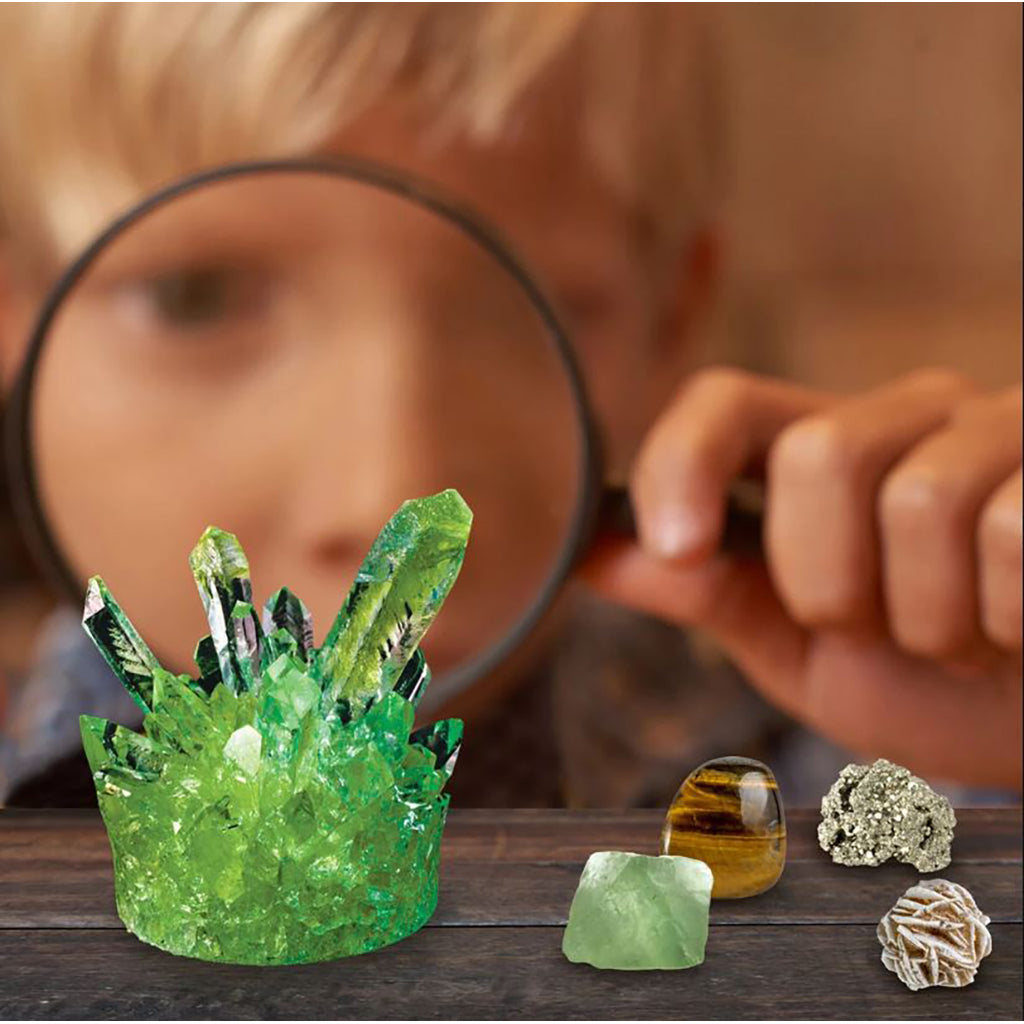
Experiment kits for kids turn nature’s little mysteries and science’s big questions into exciting play. Here you’ll find chemistry sets, science kits and fun experiments for children who love to investigate, build and discover. Explore crystals, volcanoes and electrical circuits, and choose an educational experiment kit to match your child’s age and curiosity.
Experiment Kit for Curious Kids

Chemistry Set for Kids – Colours, Bubbles and Little Discoveries
How to Choose a Good Experiment Kit

Experiments for Children with Light, Electricity and Technology
Fun experiments for children to try at home