




In a world that can feel overwhelming, with so many sounds, colours, impressions and such a fast pace, we’re seeing more and more children who may need to step back and feel calm in their bodies. Children face far more demands today than they did in the past, and it can quickly become too much for a young mind. That’s why it’s important to know that small sensory tools are available to help children regain a sense of calm and security in a world full of stimuli.
Children respond differently to sounds, movement and touch. Sensory toys can encourage play, but they are not a treatment in themselves. If challenges persist, a relevant professional can help assess your child’s needs.
I know from personal experience what it’s like to need a “stress ball” when everyday life starts moving a little too fast. Sometimes, when my thoughts are racing and my nerves are frayed, I need a moment’s pause with a sensory product. The same can be true for our children. Children often need help regulating their emotions and reactions, and this is where emotion-regulating toys and tools can be invaluable.
What are sensory toys?
Sensory toys are products that help children manage sensory input and create a sense of calm, focus and well-being. They may do this through touch, pressure, movement or chewing. The term covers anything that can stimulate the senses, and these products are often described as emotion-regulating toys. They include fidget toys, squishies and other calming toys. Small and easy to handle, they can be used throughout the day, at school, in the car or as part of a child’s regular routine.
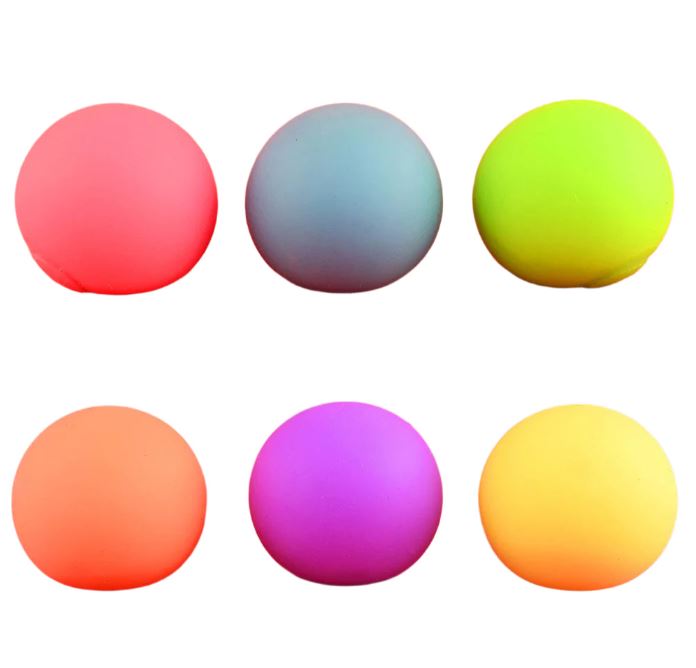
Tactile toys are, quite simply, toys that engage the sense of touch – what we feel through our skin and through physical contact. Tactile stimulation involves sensory input from touch, pressure, texture or vibration. Tactile toys are typically things a child can squeeze, fiddle with, rub, press or explore for different textures – such as squeeze balls, sensory cushions or textured fidget toys.
What kinds of toys and tools are available for children?
If your child has trouble concentrating, experiences angry outbursts or becomes overstimulated easily, emotion-regulating toys for children with additional needs can be a great place to start. These products give children something concrete to focus on and a physical outlet for restlessness or frustration – and that can make a world of difference!
You may be surprised by the effect sensory toys can have on your child. One of their great advantages is that, at first glance, they look just like ordinary toys, so they don’t draw unnecessary attention to a child’s need for emotional regulation. They’re fun and appealing toys that can also have a deeply calming effect on a child’s nervous system.

Shop calming toys for children at Lirum Larum Leg
At Lirum Larum Leg, we’ve seen interest in sensory toys grow as more parents and professionals discover the difference they can make in children’s everyday lives. We’re delighted to offer products that are not only fun, but also have a documented effect.
It’s important to us to stand behind the products we sell, so we’ve tried some of our sensory toys ourselves. My own son found it quite difficult to regulate his emotions. When he got angry, it could all come pouring out. But having a squeeze ball in his pocket has helped prevent situations from escalating more than once. It was a trusted companion he could keep close, and simply having something to squeeze helped shift his focus away from the anger and restore his balance by giving his body something else to do.
Emotion-regulating toys can help children feel calm, balanced and, above all, in control – and that’s something we at Lirum Larum Leg are very happy to support.
Our recommendations
Fidget toys and squeeze balls are among the most popular types of sensory toys for children – and for good reason. Although they may look like ordinary toys, they can have a surprisingly positive effect on children who need help finding calm, improving concentration or regulating their emotions. They act as sensory tools that can help children feel secure when they’re overstimulated or frustrated.
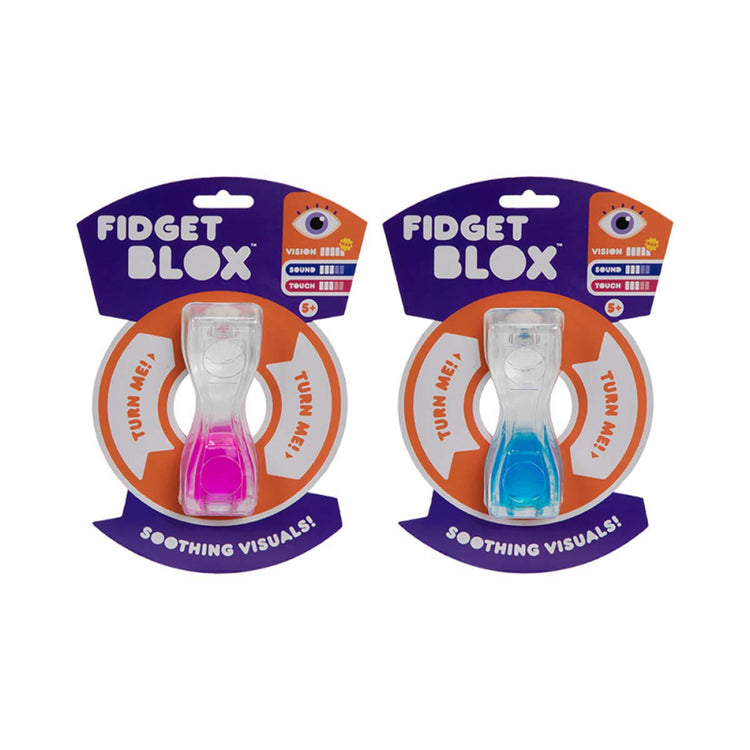
Our Fidget Blox come in three fun varieties, each designed to focus on a particular sense and stimulate either hearing, touch or sight. They’re fun to touch, make soothing sounds and are easy to carry in a pocket or school bag.


As mentioned earlier, a squishy, a squeeze ball or a figure can also be a great way to enjoy stress-relieving play. A squishy combines tactile and visual sensory input in the form of a soft, colourful ball, a fun figure or a cute animal. We have plenty of varieties, all with the same great features and perfectly sized for little hands.
A squishy is a small tool with a big impact – and a welcome everyday companion for children who need a safe, positive way to let off steam.

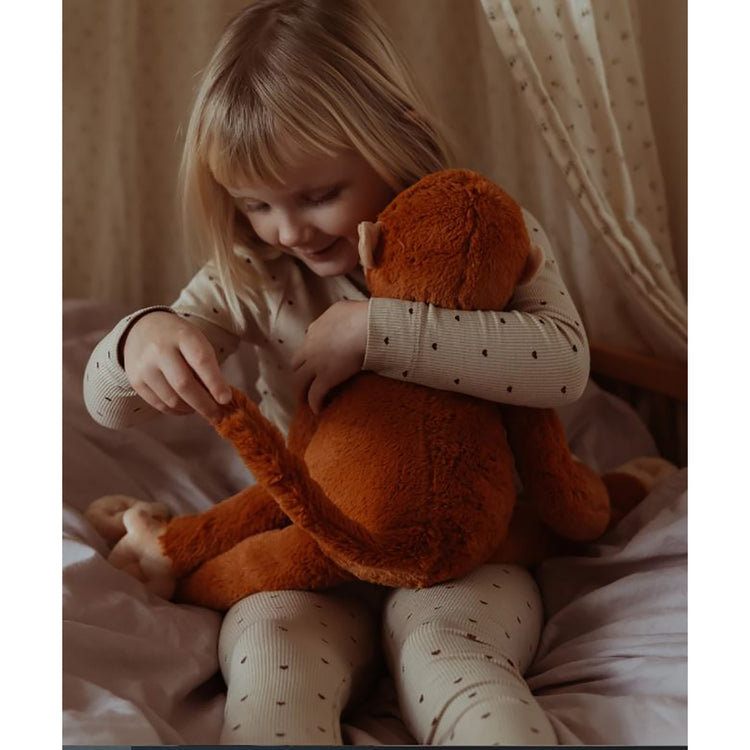
Weighted animals from By Astrup
Weighted products aren’t suitable for every child, and a calming effect can’t be guaranteed. Consult a relevant professional before use, follow the manufacturer’s instructions, and don’t use them as a general solution for sleep problems.
Weighted products aren’t suitable for every child, and a calming effect can’t be guaranteed. Consult a relevant professional before use, follow the manufacturer’s instructions, and don’t use them as a general solution for sleep problems.
Chew necklaces and chewable pendants – discreet helpers
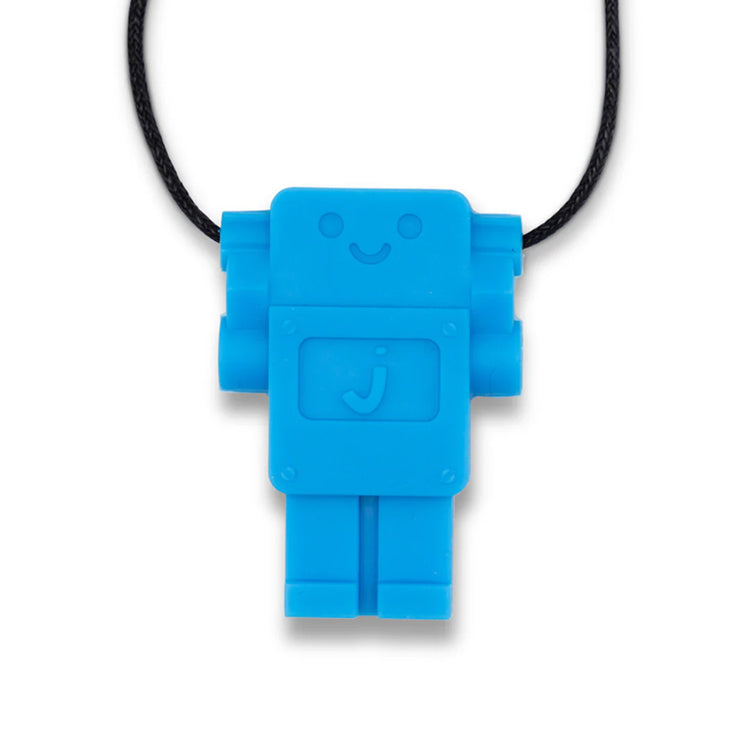
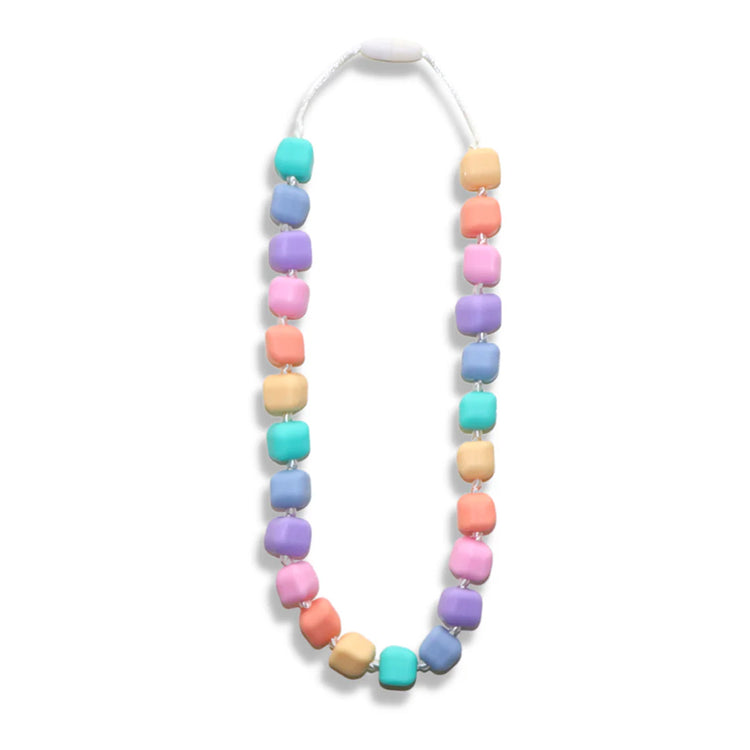
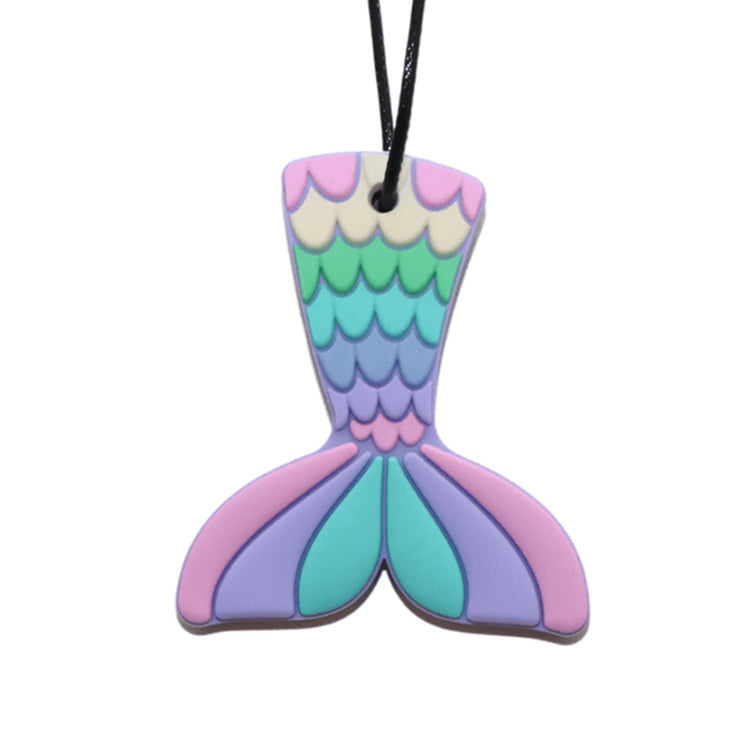
Another clever and practical aid is our chew necklaces and chewable pendants from Jellystone. They offer comfort and sensory support when a child needs to chew, suck or bite. Our son used to get his shirt completely wet from chewing on it when he was nervous – something that was especially noticeable when he was about to start school. A chew necklace helped him manage his nerves: instead of chewing on his shirt, he could bite something designed for that purpose. The chew necklaces are discreet “jewellery”, making them a subtle tool for children who need comfort. They have a sweet, understated design and look like ordinary jewellery – for example, a star, ball or figure. That makes them a sensory tool that doesn’t signal anything “different”, but is simply a little personal helper. See them all here: Chew necklaces.
A responsibility we take seriously
At Lirum Larum Leg, we take our responsibility to children seriously – including those who need a little extra support in everyday life. Our For children with additional needs category is continually evolving, and we’re always looking for new products that can help children find calm, balance and strength in their everyday lives.Let your child’s experience guide you: choose a few items, try them at a gentle pace, and stop if your child shows signs of discomfort.
Thank you for reading. If you have any suggestions or are looking for products that are missing from this category, we’d love to hear from you.
Warm wishes from Anja & Team Lirum Larum Leg
Source and further reading: NHS: children with sensory processing differences.